


The Girl Behind the Bee: My Story. Our Movement.

From a young age, I was drowning in feelings I didn’t have the words for. By age seven, I wanted to die—devastated by the thought of global warming and overwhelmed by the weight of the world. My childhood was marked by extreme anxiety, though no one ever called it that. I was quiet but intense, awkward but perceptive, and always just a little out of step. I was “gifted” in the eyes of many, more so in how I thought than how I behaved. But it was written off as just being well-spoken.
Before I Had The Words
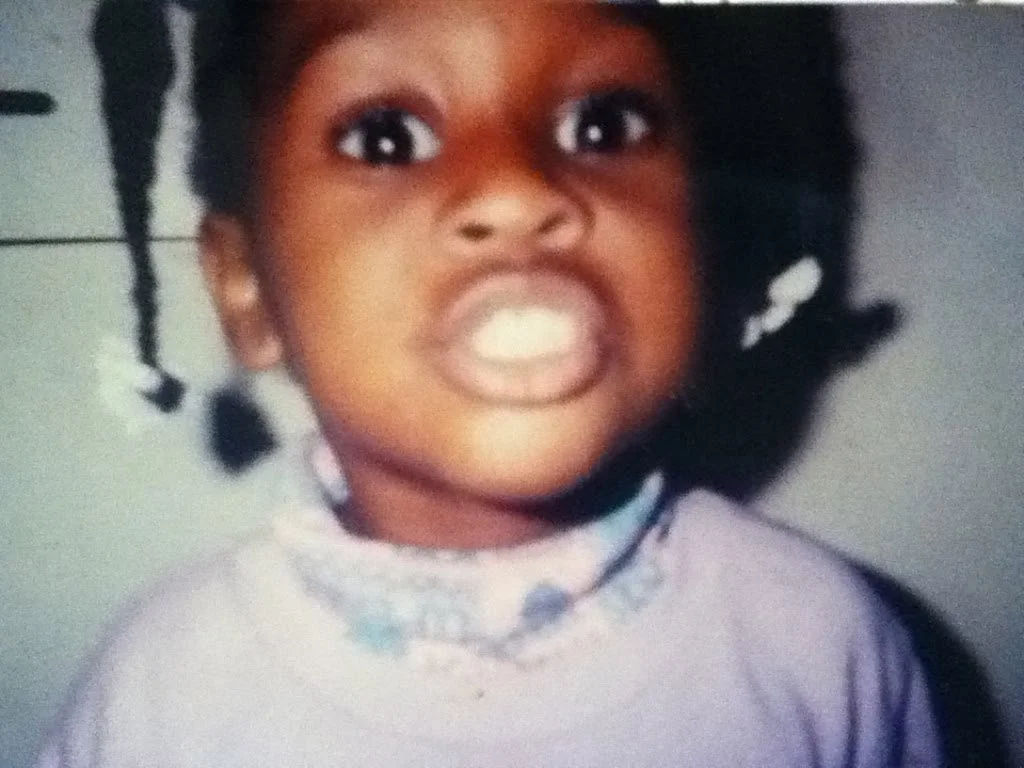
Before I had a voice, I had a story.
Before I had words, I had wonder.
What I was… was autistic, creative, deeply feeling—
just trying to survive in a world that didn’t see me clearly.
My Story
Throughout my life, I was misdiagnosed with multiple mood disorders. At 16, I was diagnosed with dysthymia. At 25, they told me I had Bipolar 1 Disorder with psychosis. But deep down, I wasn’t convinced the diagnosis fit. At 27, I was diagnosed with OCD and Borderline Personality Disorder. Over the years, professionals named everything—except the truth. I collected labels that didn’t fit but clung to the closest one I could find: ADHD. It was the only thing that even slightly made sense. Still, it never explained the full picture.
I spent most of my life searching for something that made sense—something that explained my reality. I had countless excuses for the subtle traits that set me apart, but I remained undiagnosed and unable to articulate what was really going on. My discoveries gave me language, but not clarity. I clung to fragments of explanation, hoping one would finally unlock the truth. I had no idea I was actually autistic.
After my mom passed away, I dropped out of college and entered the workforce. As an adult, I found myself unable to keep a job—not because I didn’t want to work, but because my environment always felt unbearable. I made people uncomfortable, and in turn, I was always uncomfortable too. I masked the best I could, but I was exhausted. Nothing ever felt sustainable. Nothing ever felt safe. I’ve had over 70 jobs across multiple industries.
Years later, I went back to college to finish my degree. That’s where I met a girl who quickly became my friend. After spending time together for just a few weeks, she asked me a simple question:
“Do you have autism?”
I didn’t know much about it, so I told her no and brushed it off. The question struck me. I knew nothing about autism, and it wasn’t something I thought I needed to look into.
That same Christmas, I went to her house and met her mom—a Christian schoolteacher trained to recognize autism in children. Without knowing about our earlier conversation, she asked me the same thing:
“Have you ever been evaluated for autism?”
She noticed it too. Again, the question struck me. I’d never heard of autism before, and now this was the second time someone had asked if I was autistic. I still didn’t know what it meant and eventually brushed it off as a coincidence.
A few months later, I stumbled across autism-related content on TikTok. I must’ve engaged with something without realizing it, because soon my For You Page was filled with videos describing experiences that felt eerily familiar. I fell down a rabbit hole of research. Video after video described traits and behaviors I had always experienced—but never had words for. I started researching obsessively—and for the first time in my life, I felt relief.
I wasn’t broken. I wasn’t imagining things.
I had found the missing piece of the puzzle.
I finally understood why everything had always felt just a little harder, a little more confusing, a little more isolating.
But as I looked deeper into the autistic community, I noticed a painful pattern: I didn’t see myself. I didn’t hear voices like mine. The resources were limited. The representation was almost nonexistent. The community seemed built for people who didn’t look like me, didn’t speak like me, and didn’t carry the same layers of identity. The dominant narratives came from people who didn’t share my background, my struggles, or my experience.
That’s when I realized—I couldn’t just find space in this community.
I had to create space.
I created The Awkward Autistic Black Girl to fill the gap—to amplify the missing voices in the neurodivergent space. This isn’t just a brand. It’s a movement rooted in lived experience, radical honesty, and the belief that our stories matter.
Because autistic Black girls and women deserve to be seen, heard, and celebrated in all of our complexity.
If you’ve made it this far, thank you for listening. My journey isn’t just mine—it’s part of a much bigger story about resilience, representation, and reclaiming our narratives. The Awkward Autistic Black Girl is my way of saying, we belong here—exactly as we are. And if you’ve ever felt unseen, unheard, or out of place, I hope you find something here that feels like home.
Contact Us
Hours:
Monday–Friday
9am - 5pm
Saturday
10am - 6pm
Sunday
Closed
Phone
(972) 503-6613
Location
Dallas TX, 75240